top of page

Discipline, Confidence, and Personal Growth Through Sports

  • 3 days ago
  • 6 min read

Sports do far more than improve physical fitness. For many men, they become one of the most effective ways to build structure, confidence, resilience, and mental strength. Whether it is lifting weights before work, joining a weekend basketball league, training in martial arts, or preparing for a marathon, sports create situations that challenge both the body and the mind.


One of the biggest long-term benefits is how discipline confidence and personal growth through sports naturally develop together. Discipline grows from consistent training and accountability. Confidence builds through progress and achievement. Personal growth happens when men learn to handle setbacks, pressure, responsibility, and competition in healthier ways.


Sports also provide something many men quietly need: a productive outlet for stress and frustration. Instead of staying mentally stuck in work pressure or personal problems, physical activity gives men a way to refocus, reset, and improve themselves over time.


The best part is that these benefits are not limited to elite athletes. Recreational sports, gym training, endurance challenges, and team competition can all help men become stronger mentally, emotionally, and physically.


How Sports Build Everyday Discipline


Creating Consistent Habits


Discipline often starts with simple repetition. Sports teach men how to follow routines even when motivation is inconsistent. Showing up for practice, completing workouts, or sticking to a training plan builds habits that become part of everyday life.


Unlike short bursts of motivation, discipline develops through consistency. A man who trains regularly learns how to commit to long-term goals instead of relying on temporary excitement. Over time, this mindset becomes valuable outside sports as well.


Learning Accountability Through Performance


Sports make accountability very clear. Performance usually reflects preparation, effort, recovery, and focus. If training is skipped or effort drops, results often suffer. This direct connection teaches responsibility in a practical way.


Many men benefit from this structure because it removes excuses. Improvement becomes tied to actions rather than intentions. That lesson often carries into work, relationships, and personal responsibilities.


Building Mental Toughness Through Challenges


Every sport includes difficult moments. There are exhausting workouts, frustrating losses, injuries, plateaus, and days when quitting feels easier than continuing. Working through those situations helps build mental toughness.


Men who stay committed during uncomfortable training sessions learn how to tolerate stress better. They become more patient, focused, and resilient under pressure.


Why Discipline From Sports Carries Into Daily Life


The habits built through sports rarely stay limited to athletics. Men who train consistently often become better at managing schedules, staying organized, and following through on commitments.


That is one reason discipline confidence and personal growth through sports are closely connected. Discipline strengthens daily structure, which creates momentum in many areas of life.


The Connection Between Sports And Self-Confidence


Confidence Through Skill Development


Confidence becomes stronger when men see real improvement over time. Sports provide measurable progress, whether it is lifting heavier weights, improving endurance, learning new techniques, or performing better during competition.


This type of confidence feels more authentic because it is earned. Instead of depending on outside validation, men begin trusting their own abilities through repeated effort and improvement.


How Competition Builds Self-Belief


Competition can feel intimidating, but it also helps men become more comfortable with pressure. Facing opponents, performing in front of others, or competing during difficult moments teaches men how to trust their preparation.


Winning can boost confidence, but losing also teaches valuable lessons. Men who continue competing after setbacks often develop stronger self-belief because they learn they can recover and improve.


Body Confidence And Physical Presence


Sports and fitness training can improve body confidence in healthy ways. Feeling stronger, healthier, and more athletic often changes how men carry themselves socially and professionally.


Better posture, increased energy, and improved physical condition can positively affect interactions at work, relationships, and everyday situations. Men frequently notice they feel more comfortable speaking up, taking initiative, or handling challenges confidently.


The Difference Between Confidence And Ego


Healthy sports environments also teach humility. There is always someone faster, stronger, or more experienced. Respecting teammates, coaches, and opponents helps men avoid confusing confidence with arrogance.


Real confidence comes from preparation, effort, and self-respect rather than trying to appear superior to others.


Personal Growth Lessons Men Learn Through Sports


Learning Resilience After Failure


Failure is unavoidable in sports. Teams lose games. Athletes make mistakes. Injuries interrupt progress. Training goals sometimes take longer than expected.


These experiences help men develop resilience because they learn how to recover instead of giving up. Rather than seeing setbacks as personal weaknesses, sports encourage men to view them as part of improvement.


This mindset becomes valuable in careers, relationships, and personal challenges where persistence matters.


Developing Patience And Long-Term Thinking


Many men struggle with wanting fast results. Sports quickly teach that meaningful progress usually takes time. Strength, endurance, skill development, and athletic performance improve gradually through repeated effort.


This long-term thinking helps men become more patient and realistic about growth. Instead of expecting instant success, they learn to trust consistent effort.


Sports also reinforce delayed gratification. Training today may not produce visible results tomorrow, but consistent work eventually creates noticeable improvement.


Emotional Control Under Pressure


Sports place men in stressful situations where emotional reactions affect performance. A player who loses focus after a mistake often performs worse afterward. Learning to stay calm becomes an important skill.


Over time, many men improve their emotional control through competition and training. They become better at managing frustration, stress, and pressure without reacting impulsively.


This emotional maturity often carries into work environments, relationships, and leadership situations.


Leadership And Teamwork Skills


Team sports especially help men develop communication and leadership abilities. Players learn how to support teammates, handle responsibility, and contribute to group success.


Leadership in sports is not always about being the loudest person. Sometimes it means staying reliable, encouraging others, or maintaining focus during difficult situations.


These experiences can strengthen confidence in professional and personal settings where teamwork matters.


Building A Stronger Sense Of Identity


Sports often help men discover strengths they did not fully recognize before. A man may realize he is more disciplined, resilient, or mentally strong than he originally believed.


That growing self-awareness contributes to discipline confidence and personal growth through sports because progress becomes connected to personal identity and self-respect.


Sports That Commonly Strengthen Discipline And Confidence


Martial Arts And Combat Sports


Martial arts and combat sports are well known for teaching discipline and mental control. Structured training environments, respect for coaches, and technical skill development create strong habits over time.


Many men also gain confidence from learning self-defense and becoming more comfortable under pressure. Combat sports often require emotional control, focus, and patience.


Strength Training And Fitness Sports


Strength training is one of the clearest examples of progress through consistency. Men can directly track improvements in strength, endurance, physique, and performance.


This measurable progress helps reinforce accountability and self-confidence. Weight training also teaches patience because meaningful physical changes usually happen gradually rather than instantly.


Team Sports And Competitive Leagues


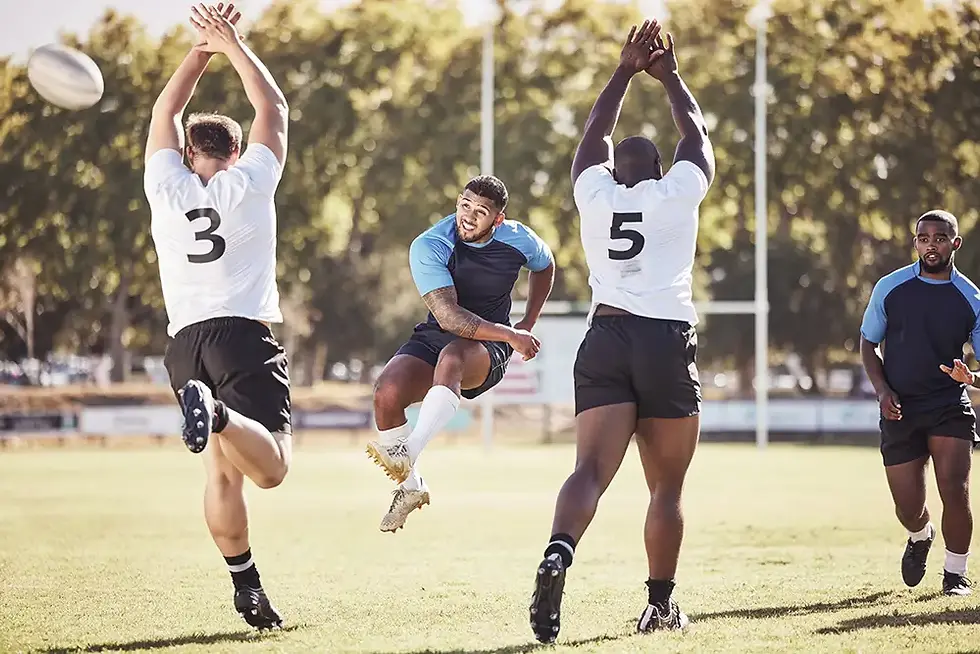
Basketball, soccer, hockey, football, and recreational leagues help men improve teamwork and communication skills while staying physically active.


Team environments can also provide social connection and camaraderie, which many adult men lack after leaving school or college sports.


Endurance Sports And Individual Challenges


Running, cycling, swimming, and obstacle races develop mental resilience through long periods of physical discomfort and fatigue.


These sports often attract men who enjoy self-discipline and personal challenges. Endurance training teaches persistence and helps men build confidence through difficult physical goals.


Practical Ways To Use Sports For Personal Growth


Setting Realistic Personal Goals


Sports become more rewarding when men focus on realistic progress rather than perfection. Small improvements in strength, conditioning, skill, or consistency create motivation over time.


Tracking workouts, setting achievable milestones, and celebrating progress can help maintain long-term commitment.


Choosing The Right Sport For Your Personality


Not every sport fits every personality. Some men enjoy competition and high-energy team environments, while others prefer individual training or recreational fitness.


Choosing an activity that feels enjoyable increases the chances of staying consistent over time.


Building A Sustainable Routine


Long-term consistency matters more than extreme short-term effort. Men often benefit from creating routines that fit realistically around work, family responsibilities, and recovery.


Avoiding burnout is important for maintaining motivation and progress.


Using Sports As A Healthy Outlet


Sports can also improve mental well-being by reducing stress and providing structure during difficult periods of life. Physical activity helps many men clear their minds, improve mood, and manage frustration more productively.


Conclusion


Sports can improve far more than athletic performance or physical appearance. They help men develop resilience, confidence, emotional control, and stronger accountability.


The connection between discipline confidence and personal growth through sports becomes clear through consistent training and real-world challenges. Men learn how to stay committed, recover from setbacks, trust themselves under pressure, and continue improving over time.


Whether through martial arts, strength training, team competition, or endurance sports, the lessons gained often carry into careers, relationships, and daily responsibilities. The discipline and confidence built through sports frequently shape how men approach life overall.

Comments


 Collaborate with us.

Thanks for submitting!

© 2026 by Nexomen.

bottom of page