top of page

Why Recreational Sports Are Great for Men’s Long-Term Health

  • 3 days ago
  • 6 min read

Many men know they should exercise regularly, but sticking with a workout routine for years is often harder than expected. Busy schedules, long work hours, family responsibilities, and simple burnout can make traditional fitness routines feel repetitive and difficult to maintain. That is one reason why recreational sports continue to be one of the most practical ways for men to stay active as they age.


Understanding why recreational sports are great for men's long-term health starts with recognizing that consistency matters more than perfection. Recreational sports combine movement, competition, social interaction, and enjoyment in a way that feels less like a chore and more like a rewarding part of life. Whether it is weekend basketball, tennis after work, local soccer leagues, or pickup hockey, these activities help men stay physically and mentally engaged over the long run.


Instead of focusing only on short-term fitness goals, recreational sports help support healthier habits that can last for decades.


Recreational Sports Make Exercise Easier To Maintain Long-Term


One of the biggest reasons recreational sports benefit men’s long-term health is simple: men are more likely to stay consistent with exercise when they actually enjoy it. Many traditional workout programs fail because they become repetitive. Going to the gym five days a week may sound good on paper, but over time, motivation often fades.


Recreational sports solve that problem by making physical activity feel more engaging. There is always something happening during a game or match. Men stay mentally involved while also getting a solid workout without constantly checking the clock. That combination of movement and enjoyment helps create long-term fitness habits that are easier to maintain.


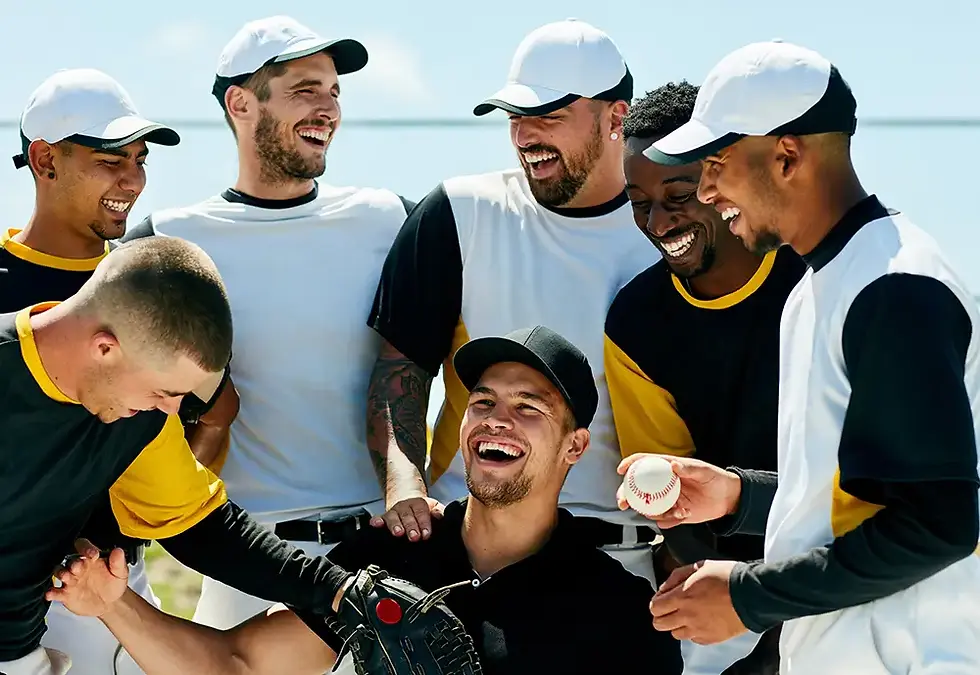
The social aspect also plays a major role. Many adult men struggle to maintain friendships and regular social interaction outside of work and family responsibilities. Joining a sports league or playing regularly with friends creates accountability. If your team expects you to show up every Wednesday night, you are much more likely to stay active consistently.


Another advantage is variety. Recreational sports naturally involve different types of movement, challenges, and skill development. A basketball game includes sprinting, coordination, agility, and teamwork. Tennis improves reaction time and endurance. Cycling groups encourage cardiovascular fitness while keeping things social and motivating.


For many men, this variety prevents the exercise fatigue that often causes people to quit standard workout programs after a few months.


Recreational Sports Support Heart Health And Physical Longevity


Regular recreational sports participation can have a major impact on long-term physical health. One of the most important benefits is improved cardiovascular health. Sports that involve steady movement and bursts of activity help strengthen the heart, improve circulation, and support healthier blood pressure levels.


Activities like soccer, basketball, swimming, and tennis challenge the cardiovascular system in ways that improve endurance over time. Men who stay active through recreational sports often find everyday activities easier as they get older because their stamina remains stronger than men who live mostly sedentary lifestyles.


Another key reason why recreational sports are great for men's long-term health is their ability to help maintain a healthy body composition. As men age, muscle mass naturally declines, especially after the age of 30. Recreational sports help slow that process by keeping muscles engaged regularly. Even moderate activity helps preserve strength, mobility, and coordination.


This becomes increasingly important later in life. Maintaining muscle and movement quality can support balance, reduce the risk of falls, and make daily tasks easier. Men who stay active often maintain better independence and physical confidence as they age.


Sports also support joint function and mobility when done responsibly. Contrary to the belief that all sports damage the body, moderate recreational activity can actually help joints stay mobile and flexible. Movement improves circulation to muscles and connective tissues while helping reduce stiffness caused by inactivity.


Low-impact recreational sports like swimming, pickleball, golf, or cycling can be especially valuable for older men who want to stay active without placing excessive stress on their joints.


Recreational Sports Can Improve Men’s Mental Health


Physical health is only part of the picture. Recreational sports can also provide major mental health benefits for men, especially during stressful stages of adult life. Work pressure, financial responsibilities, family obligations, and daily stress can build up quickly, and many men do not always have healthy outlets to release that tension.


Sports provide a productive way to reset mentally. Physical activity helps release endorphins that naturally improve mood and reduce stress levels. Even a single game after a difficult workday can help clear the mind and improve energy levels.


Many men also benefit from the competitive side of recreational sports. Competition, when kept healthy and balanced, can increase motivation and confidence. Improving skills, reaching goals, or simply performing well during a game creates a sense of accomplishment that carries over into other parts of life.


Another overlooked benefit is social connection. As men get older, social circles often become smaller. Friendships may weaken due to work schedules, parenting responsibilities, or relocation. Recreational sports help men maintain regular social interaction in a natural way.


Being part of a team or sports community can reduce feelings of isolation while strengthening friendships and communication skills. Even casual weekly games can create an important sense of connection and belonging that supports long-term emotional wellness.


For many men, recreational sports become one of the few consistent activities that combine stress relief, friendship, physical activity, and personal enjoyment all at once.


Recreational Sports Encourage Better Lifestyle Habits


Men who participate in recreational sports regularly often develop healthier habits outside the game as well. Once you begin exercising consistently, it becomes easier to make smarter daily choices that support performance and recovery.


For example, many men naturally improve their eating habits when they start playing sports regularly. Heavy fast food meals, poor hydration, and inadequate sleep become more noticeable during physical activity. Over time, men often begin choosing healthier meals, drinking more water, and prioritizing recovery because they want to feel better during games and practices.


Recreational sports also help reduce sedentary behavior, which has become increasingly common in modern life. Many men spend long hours sitting at desks, commuting, or relaxing in front of screens after work. This level of inactivity can negatively affect heart health, mobility, posture, and energy levels over time.


Having a regular sports schedule creates built-in movement throughout the week. Even playing once or twice weekly can help break up long periods of inactivity and encourage a more active lifestyle overall.


Long-term consistency matters more than extreme workouts. Men who stay moderately active for decades often experience better overall health outcomes than men who exercise intensely for short periods before quitting entirely.


Choosing The Right Recreational Sport For Long-Term Success


The best recreational sport is usually the one you genuinely enjoy enough to keep doing consistently. Some men love competitive team sports, while others prefer individual activities or lower-pressure environments. There is no single “perfect” option for every man.


Basketball, soccer, tennis, martial arts, hockey, cycling groups, swimming, hiking clubs, golf, and pickleball can all support long-term health when practiced regularly. The key is finding an activity that fits your interests, schedule, and current fitness level.


Men should also be realistic about physical limitations and recovery needs. High-impact sports may not be ideal for everyone, especially after injuries or joint problems. Lower-impact options can still provide excellent cardiovascular and mental health benefits without excessive strain.


It is also important to avoid comparing recreational sports participation to professional athletic performance. The goal is not to train like an elite athlete. The goal is to stay active, healthy, and mentally engaged for years to come.


Consistency beats intensity in the long run. A manageable sport you enjoy twice a week will usually provide more lasting benefits than an extreme fitness plan you abandon after a few months.


Conclusion


Understanding why recreational sports are great for men's long-term health comes down to sustainability. Recreational sports make physical activity more enjoyable, social, and realistic to maintain throughout adulthood. They support heart health, mobility, strength, stress management, and social connection in ways that fit naturally into everyday life.


Whether it is basketball, swimming, tennis, or a local league, finding an activity you genuinely enjoy can help you stay active consistently and protect your physical and mental health for years to come.

Comments


 Collaborate with us.

Thanks for submitting!

© 2026 by Nexomen.

bottom of page