top of page

How Recreational Sports Help Men Stay Consistent With Exercise

  • 3 days ago
  • 6 min read

For many men, starting an exercise routine is not the hardest part. The real challenge is sticking with it long enough to make fitness a lasting habit. Busy work schedules, family responsibilities, stress, and mental burnout can all make traditional workouts feel difficult to maintain over time. Even highly motivated men often lose consistency when exercise starts feeling repetitive or disconnected from everyday enjoyment.


This is exactly why recreational sports can make such a difference. Understanding how recreational sports help men stay consistent with exercise comes down to one simple idea: people are more likely to stay active when movement feels enjoyable instead of forced. Recreational sports combine fitness with competition, social interaction, skill development, and stress relief, making exercise feel less like a chore and more like something men genuinely want to do. Instead of focusing only on calories burned or gym performance, recreational sports help build exercise habits that feel sustainable for the long run.


Why Traditional Workouts Often Become Hard To Maintain


Repetition Can Reduce Motivation


One of the biggest reasons men struggle with exercise consistency is boredom. Repeating the same treadmill session, lifting routine, or cardio workout week after week can become mentally exhausting. Even if the program works physically, the lack of variety often makes motivation fade over time.


Many men start fitness programs with strong discipline, but discipline alone rarely carries someone through months or years of repetitive exercise. When workouts stop feeling engaging, skipping one session can quickly turn into skipping several.


Exercise Often Feels Like Another Obligation


Modern life already comes with constant responsibilities. Between work demands, financial pressure, family commitments, and daily stress, exercise can sometimes feel like one more task added to an already crowded schedule.


This mindset creates a negative relationship with fitness. Instead of looking forward to exercise, many men begin associating workouts with guilt, pressure, or obligation. Once that happens, consistency becomes much harder to maintain.


Lack Of Social Connection Can Hurt Accountability


Solo exercise routines work well for some people, but many men stay more committed when exercise includes social interaction. Training alone makes it easier to skip workouts because nobody notices when you miss a session.


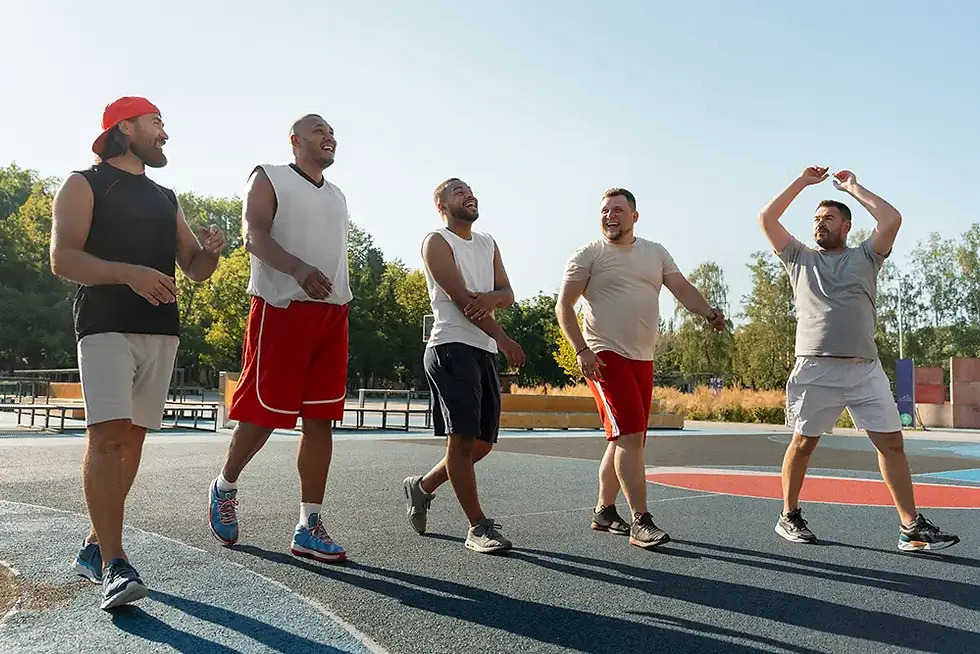
Recreational sports naturally solve this problem. Whether it is a weekly basketball game, soccer league, tennis match, or martial arts class, other people expect your participation. That accountability often becomes a major reason men continue showing up consistently.


How Recreational Sports Create Better Exercise Consistency


Competition Makes Exercise More Engaging


Friendly competition changes the way exercise feels. Instead of focusing entirely on physical effort, men become mentally engaged in the game itself. Scoring points, improving performance, or competing with friends creates excitement that many traditional workouts lack.


This mental engagement is a major example of how recreational sports help men stay consistent with exercise. Men often push themselves harder during sports without realizing how much physical activity they are actually doing because the focus shifts toward enjoyment and performance.


Sports Provide Clear Short-Term Goals


Many gym routines focus on long-term goals like losing weight or building muscle. While those goals matter, they can feel distant and slow-moving. Recreational sports provide smaller and more immediate goals that help maintain motivation.


Improving endurance during a soccer game, developing better footwork in tennis, or improving reaction time in boxing classes creates measurable progress that feels rewarding. Men often stay more committed when they can regularly see skill improvement alongside physical fitness progress.


Scheduled Games Encourage Routine


One reason people struggle with exercise consistency is decision fatigue. After long workdays, deciding whether to exercise requires mental energy many men simply do not have left.


Recreational sports help remove that problem through structured schedules. Weekly leagues, pickup games, or club practices create fixed commitments that become part of a routine. Men are far more likely to stay active when exercise is already scheduled into their week.


Variety Helps Prevent Burnout


Traditional workouts can become repetitive because the movements rarely change. Recreational sports naturally create variety through different situations, strategies, and physical demands.


A basketball game never feels exactly the same twice. The same applies to martial arts sparring, soccer matches, or tennis rallies. This variety keeps exercise mentally stimulating while also training the body in more dynamic ways.


Team Participation Builds Accountability


When teammates depend on you, skipping exercise feels different. Men are often more willing to show up for others than they are for themselves alone.


That social accountability can become extremely powerful over time. Friendships, competition, and team culture help turn exercise into a regular social activity rather than an isolated task. This is one of the strongest practical examples of how recreational sports help men stay consistent with exercise long term.


The Mental Benefits That Support Long-Term Exercise Habits


Stress Relief Improves Exercise Adherence


Many men carry high levels of stress from work, finances, and personal responsibilities. Recreational sports provide an outlet that feels productive without feeling overly structured.


Physical activity naturally reduces stress hormones, but recreational sports often go further because they also create enjoyment and mental distraction. Playing a competitive game after work can feel mentally refreshing in ways that traditional gym sessions sometimes do not.


Recreation Creates Positive Associations With Fitness


People repeat activities they enjoy. That principle matters greatly when building long-term exercise habits.


Men who associate exercise only with exhaustion or obligation are less likely to stay consistent. Recreational sports help create positive emotional experiences around movement. The enjoyment of competition, teamwork, and improvement helps reinforce exercise as something rewarding rather than punishing.


Social Interaction Supports Motivation


As men get older, maintaining social connections often becomes harder. Work and family responsibilities can gradually reduce opportunities for regular interaction with friends and peers.


Recreational sports create consistent social engagement while also improving physical health. Many men continue participating in sports leagues partly because of the relationships and camaraderie that develop over time.


Confidence From Skill Development Encourages Persistence


Physical appearance goals alone do not always create lasting motivation. Skill development often provides a stronger psychological reward.


Learning new techniques, improving coordination, or becoming more competitive in a sport gives men a sense of achievement that extends beyond aesthetics. That confidence can help reinforce long-term consistency with exercise.


Best Recreational Sports For Men Trying To Stay Active Consistently


Basketball


Basketball combines cardio, agility, coordination, and social interaction in a fast-paced environment. Pickup games are widely available and make it easy for men to stay active without needing a highly structured fitness plan.


Soccer


Soccer provides excellent cardiovascular exercise while keeping players constantly moving. The team-focused nature of the sport also creates strong accountability and social motivation.


Tennis Or Pickleball


Tennis and pickleball work well for men across different fitness levels and age groups. Both sports improve coordination, balance, and endurance while remaining enjoyable and competitive.


Martial Arts Or Boxing Classes


Martial arts and boxing classes combine conditioning with skill progression. Many men stay committed because they enjoy learning techniques and seeing measurable improvements over time.


Recreational Running Clubs


Not every recreational activity needs to involve direct competition. Running clubs provide structure, social accountability, and community support while helping men maintain regular physical activity.


How Men Can Start Using Recreational Sports To Build Consistency


Focus On Enjoyment First


Many men choose workouts based entirely on efficiency instead of enjoyment. While effective training matters, consistency matters more.


Choosing a recreational sport that feels genuinely fun increases the chances of staying active long term. The best exercise routine is usually the one you can realistically maintain.


Start With One Weekly Commitment


Men do not need to completely redesign their fitness routines overnight. Starting with one weekly sports activity is often enough to build momentum.


A weekly basketball game, tennis session, or martial arts class creates structure without feeling overwhelming. Once consistency improves, additional activity becomes easier to maintain.


Avoid Treating Sports Like Professional Competition


Competition can be motivating, but recreational sports should still feel enjoyable. Taking games too seriously can create unnecessary stress and reduce long-term sustainability.


The goal is regular movement, stress relief, and enjoyment — not performing like a professional athlete.


Combine Sports With Basic Strength Training


Recreational sports are excellent for consistency, but basic strength training still supports joint health, muscle maintenance, and injury prevention.


Men do not need complicated gym routines to complement recreational activity. A few simple weekly strength sessions can support overall fitness while sports provide the enjoyable foundation that keeps exercise consistent.


Conclusion


Building long-term fitness habits is not just about discipline. For many men, consistency improves when exercise feels enjoyable, social, and mentally engaging instead of like another obligation. That is exactly how recreational sports help men stay consistent with exercise.


Recreational sports create accountability, reduce boredom, and make physical activity more rewarding. They also support stress relief, confidence, and social connection, helping men maintain healthier exercise habits over time. Finding a sport you genuinely enjoy can make staying active feel natural instead of forced.

Comments


 Collaborate with us.

Thanks for submitting!

© 2026 by Nexomen.

bottom of page