top of page

Low-Impact and Age-Friendly Sports for Men

  • May 6
  • 8 min read

Updated: 1 day ago


As men get older, the way they approach fitness often needs to evolve. Activities that felt manageable in their 20s—such as high-impact running, contact sports, or repeatedly training through soreness—may eventually place too much stress on the joints and make recovery more difficult.


That is where low-impact and age-friendly sports become valuable. These activities are not about giving up challenging exercise or accepting declining fitness. They are about training more intelligently so you can remain active, strong, mobile, and independent for years.


Whether you are managing an old injury, dealing with stiff joints, returning to exercise after a long break, or simply noticing that recovery takes longer, choosing the right activity can make a major difference.


Many sports can still challenge your muscles, improve cardiovascular health, sharpen coordination, and support mental well-being without creating unnecessary wear and tear. This guide highlights practical options while complementing a broader overview of the best sports for fitness and health.


Why Low-Impact Sports Make Sense as You Age


Choosing low-impact and age-friendly sports does not mean eliminating intensity. It means selecting activities that allow you to exercise consistently without repeatedly aggravating your joints or exhausting your ability to recover.


Reduced Joint Stress and Injury Risk

Low-impact sports limit the repetitive pounding placed on the knees, hips, ankles, and lower back. This can be especially helpful for men with previous injuries, arthritis, limited mobility, or stiffness after training.


Because these activities produce less impact, they may make it easier to remain active without constantly interrupting your routine because of discomfort.


Better Recovery and Long-Term Consistency

Recovery becomes increasingly important with age. A workout may still feel productive, but the body can require more time to repair itself afterward.


Activities that are easier on the joints allow many men to train more frequently without needing several days to recover from every session. This makes it easier to establish a routine that can support healthy aging and longevity.


Support for Strength, Mobility, and Cardiovascular Health

Low-impact does not mean ineffective. Swimming, cycling, rowing, resistance training, and similar activities can improve endurance, maintain muscle, and support better movement.


A balanced sports performance guide can help you combine structured training with recovery, mobility work, and gradual progression for more sustainable results.


Mental Health and Stress Relief

Regular physical activity can provide structure, improve mood, reduce stress, and create a healthy break from work or daily responsibilities.


Lower-impact activities are often easier to perform consistently, helping men receive these mental benefits without associating every workout with pain, exhaustion, or excessive soreness.


Swimming and Water-Based Activities


Swimming and other water-based activities are among the best low-impact sports because water supports much of the body's weight while still providing resistance.


This combination allows you to train your muscles and cardiovascular system without repeatedly striking the ground.


Lap Swimming for Full-Body Conditioning

Swimming engages the shoulders, back, chest, core, hips, and legs. It also develops cardiovascular endurance because you must coordinate movement with controlled breathing.


Different strokes can be selected according to your ability and comfort. Beginners can use shorter intervals with generous rest, while experienced swimmers can increase distance, pace, or total training time.


Water Aerobics and Aqua Fitness

Structured water workouts are not limited to beginners. Aqua fitness classes can improve mobility, balance, coordination, and muscular endurance in a controlled environment.


The resistance of the water makes simple movements more demanding while reducing the force placed on the joints.


Recreational Water Activities

Snorkeling, casual paddleboarding, kayaking, and other recreational water activities provide an enjoyable way to remain active.


These options may not feel like conventional workouts, but they still encourage steady movement, balance, coordination, and time outdoors.


Who Water-Based Activities Suit Best

Water-based exercise can be particularly useful for men with knee, hip, ankle, or lower-back discomfort. It can also be a practical starting point for anyone returning to physical activity after an injury or extended period of inactivity.


Swimming often becomes a long-term fitness option because it allows men to train with meaningful effort without feeling physically beaten up afterward.


Cycling for Cardio Without Excessive Strain


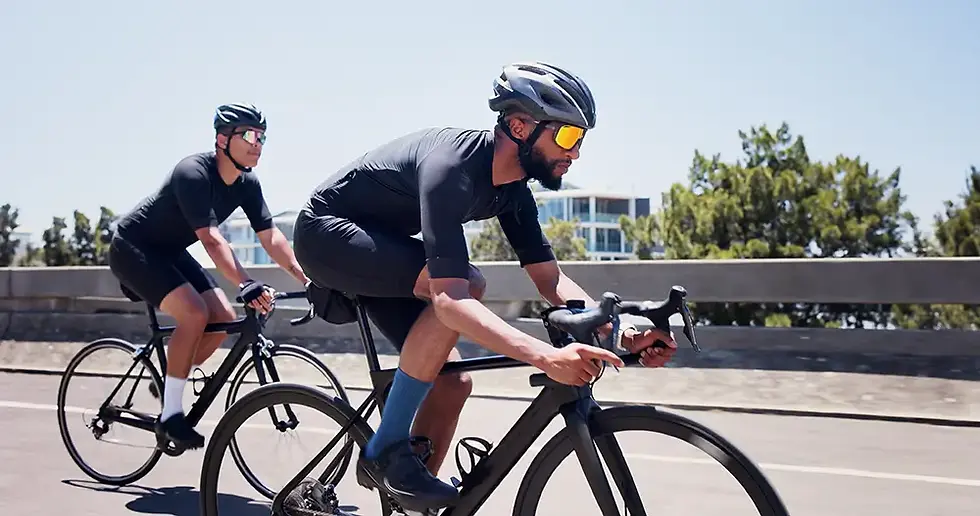
Cycling is another reliable low-impact and age-friendly sport. It strengthens the cardiovascular system and lower body without producing the repetitive impact associated with running.


Outdoor Road Cycling and Trail Riding

Road cycling offers controlled, steady cardiovascular training. You can adjust the distance, route, pace, and elevation according to your current fitness level.


Trail riding introduces uneven surfaces, balance demands, and technical challenges. However, beginners should select easier trails before progressing to more demanding terrain.


Stationary Bikes and Indoor Cycling

Stationary cycling is convenient for men who have limited time or prefer to exercise indoors. It also provides greater control over resistance, pace, and session length.


Indoor cycling can range from gentle recovery sessions to challenging interval workouts, making it suitable for different fitness levels.


Avoiding Knee and Back Strain

A proper bike fit is essential. Seat height, handlebar position, footwear, and riding posture can all influence comfort.


Begin with moderate resistance rather than pushing heavy gears. Gradually increase the duration or intensity as your legs and cardiovascular system adapt.


Cycling is particularly effective for maintaining endurance and leg strength. Comparing swimming vs. running vs. cycling can help you decide which cardio option best suits your joints, preferences, and fitness goals.


Walking, Hiking, and Light Trekking


Simple forms of movement should not be underestimated. Walking, hiking, and light trekking are accessible, affordable, and easy to adjust according to your fitness level.


Brisk Walking for Daily Fitness

A consistent walking routine supports cardiovascular health, weight management, circulation, and joint mobility. It also requires little preparation and can be included in a busy schedule.


You can make walking more challenging by increasing your pace, extending the distance, using gentle hills, or carrying a light backpack.


Hiking for Physical and Mental Benefits

Hiking introduces changes in elevation and terrain, which engage more muscles and improve balance.


Being outdoors can also provide a valuable mental reset. Many men find hiking easier to maintain than repetitive indoor cardio because the scenery and destination make the activity more engaging.


Light Trekking With Controlled Intensity

Light trekking is suitable for men who want longer periods of movement without extreme intensity. The key is choosing routes that match your experience, using appropriate footwear, and maintaining a manageable pace.


Walking, hiking, and trekking are accessible forms of outdoor and recreational sports, especially when the goal is to build consistency before progressing to more demanding activities.


Racket Sports With Controlled Intensity


Racket sports can remain part of an age-friendly fitness routine when the format and intensity are carefully selected.


They combine movement, coordination, strategy, and social interaction, which can make exercise feel more enjoyable than a repetitive workout.


Doubles Tennis

Doubles tennis requires less court coverage than singles, allowing players to enjoy the skill and competitive aspects of the game with less continuous running.


Good positioning and communication can reduce the need to chase every shot aggressively.


Pickleball

Pickleball is played on a smaller court and generally involves shorter movements than tennis. It can improve coordination, reaction time, and cardiovascular fitness while remaining relatively accessible.


Men should still warm up properly and avoid sudden, uncontrolled direction changes, particularly if they have not exercised regularly.


Moderate-Paced Badminton

Badminton can be adjusted according to the players' experience and fitness. A casual game can emphasize timing, placement, and control rather than constant explosive movement.


Depending on whether you play singles or doubles, racket activities can provide many of the benefits associated with both team and solo sports. Some people enjoy independent competition, while others remain more consistent when exercise involves a partner or group.


Recommended Next


Strength-Focused but Joint-Friendly Options


Maintaining muscle and strength becomes increasingly important with age. Fortunately, strength-focused exercise can remain joint-friendly when the movements, resistance, and training volume are appropriate.


Rowing for Full-Body Conditioning

Rowing machines and water rowing involve the legs, hips, core, back, and arms. They can improve cardiovascular endurance and muscular coordination without producing ground impact.


Proper technique is important. The movement should be driven primarily through the legs and hips rather than by repeatedly pulling with the lower back.


Elliptical Training

Elliptical machines create a movement pattern similar to running while keeping the feet in contact with the pedals.


This reduces impact and makes the elliptical a useful option for men who want cardiovascular exercise but experience discomfort while jogging.


Controlled Resistance Training

Joint-friendly strength training can include machines, resistance bands, cable exercises, bodyweight movements, and moderate free weights.


Focus on controlled repetitions, comfortable ranges of motion, and gradual progression. A weight that allows proper technique is more useful than a heavier load that causes pain or instability.


The objective is durability. Strength training should preserve muscle, support joint stability, and maintain the physical capacity needed for work, hobbies, and everyday tasks.


Mind-Body Sports and Mobility-Based Activities


Mobility, balance, and coordination are often neglected, but they are essential components of an age-friendly fitness routine.


These abilities can influence posture, movement quality, sports performance, and the risk of falls or avoidable injuries.


Yoga for Flexibility and Joint Health

Yoga can improve flexibility, reduce stiffness, strengthen stabilizing muscles, and encourage controlled breathing.


Men do not need advanced flexibility to begin. Beginner classes and modified poses make it possible to progress gradually without forcing uncomfortable positions.


Tai Chi for Balance and Control

Tai chi uses slow, deliberate movements to improve balance, coordination, posture, and body awareness.


Its controlled pace makes it particularly suitable for men who want to improve stability without placing substantial stress on their joints.


Pilates for Core Strength and Stability

Pilates develops core control, posture, and movement quality. It can help men become more aware of how the pelvis, spine, shoulders, and hips work together.


Although these activities may not initially feel as demanding as running or heavy lifting, improving mobility, joints, and movement can support better sports performance while making everyday movement more comfortable.


How to Choose the Right Sport for Your Body and Lifestyle


The best activity is not necessarily the one that burns the most calories or looks the most challenging. It is the activity you can perform safely, enjoy regularly, and maintain over time.


Consider Your Current Condition


Begin by assessing your fitness level, exercise history, and any existing injuries.


Age can also influence the amount of impact, intensity, and recovery your routine should include. Reviewing the best sports for men over 40 can help you identify activities that support strength and fitness without placing unnecessary stress on the body.


Swimming or cycling may be suitable for men with joint discomfort. Walking and basic resistance training can be better starting points for men returning after a long break.


Persistent pain, major mobility limitations, or medical concerns should be discussed with a qualified healthcare professional before beginning a demanding program.


Match the Intensity to Your Recovery

Training should leave you appropriately challenged, not constantly exhausted.


If soreness, fatigue, or joint discomfort repeatedly prevents you from completing the next planned session, reduce the intensity, duration, or frequency.


Progress does not require pushing to your limit every time.


Choose Activities You Enjoy

Enjoyment strongly influences consistency. A theoretically effective sport provides little benefit when you dislike it enough to avoid participating.


Some men enjoy the solitude of swimming or cycling. Others prefer the social and competitive aspects of pickleball, doubles tennis, or group classes.


Combine Activities for Better Results

A balanced routine often combines two or three forms of exercise. Reviewing the best sports by fitness goal can help you match different activities to cardiovascular health, strength, flexibility, mobility, or weight management.


For example, you might cycle for endurance, perform resistance training for strength, and practise yoga for mobility. This combination distributes physical stress more evenly and keeps the routine varied.


Conclusion


The goal is not to slow down. It is to remain active for longer.


Choosing low-impact and age-friendly sports means developing a routine that supports the body rather than repeatedly breaking it down. The right activities can help preserve endurance, strength, mobility, confidence, and independence.


Consistency and intelligent exercise selection become more important than maximum intensity. Start at a level that matches your current condition, progress gradually, and pay attention to how your body responds.


Choosing sustainable activities is not a compromise. It is a smarter long-term strategy that can help you remain capable, confident, and active as you age.


Related Reading

Comments


 Collaborate with us.

Thanks for submitting!

© 2026 by Nexomen.

bottom of page