top of page

Best Sports for Men to Lose Weight and Improve Conditioning

  • May 6
  • 9 min read

Updated: 5 days ago


If you have ever struggled to stay consistent with the gym, you are not alone. Traditional workouts can feel repetitive, especially when every session involves the same machines, exercises, and routines. Sports offer a more engaging alternative because they combine physical effort with competition, skill development, and enjoyment.


Choosing from the best sports by fitness goal can help you find an activity that matches what you actually want to accomplish. Instead of exercising simply to complete a workout, you can pursue a sport that keeps you moving while improving your athletic ability.


When considering the best sports for men to lose weight, the main advantage is that they create intensity without making every minute feel like formal exercise. You are focused on the game, your opponent, or improving a skill rather than constantly checking the clock. This often leads to longer sessions and greater effort.


Sports can also support cardiovascular health, mobility, strength, coordination, and mental well-being. A broader comparison of the best sports for fitness and health can help you understand how different activities contribute to a more active and balanced lifestyle.


This article focuses on several effective sports for losing weight and improving conditioning without making your routine unnecessarily complicated.


What Makes a Sport Effective for Weight Loss and Conditioning?


Not every sport produces the same physical demands. Some activities involve long periods of standing or low-intensity movement, while others keep your heart rate elevated and require repeated bursts of effort.


The most effective sports for fat loss and conditioning generally combine several important characteristics.


High Calorie Burn per Session

The best sports for men to lose weight require substantial energy. Activities involving running, sprinting, jumping, striking, or continuous full-body movement usually burn more calories than sports with frequent periods of inactivity.


However, calorie burn should not be the only consideration. A demanding sport will not help much if you dislike it so much that you rarely participate. The best option combines a high level of activity with something you can realistically continue doing.


Full-Body Engagement

Sports that involve both the upper and lower body increase total energy expenditure. Boxing, swimming, basketball, and soccer recruit multiple muscle groups while challenging the cardiovascular system.


Full-body movement also develops more balanced conditioning. Rather than training one isolated muscle at a time, you improve your ability to move, react, stabilize your body, and maintain effort under fatigue.


Interval or Stop-and-Go Intensity

Many sports naturally alternate between hard effort and brief recovery. Soccer players sprint, jog, change direction, and then repeat the process. Basketball involves fast transitions, jumps, defensive movements, and short pauses. Boxing alternates intense rounds with limited recovery.


This resembles interval training and can improve both aerobic endurance and the ability to perform repeated high-intensity efforts.


Consistency and Enjoyment

Enjoyment is one of the most overlooked parts of weight-loss training. A theoretically perfect activity is not effective when you continually avoid it.


A sport you genuinely enjoy gives you a reason to return. Competition, skill progression, teamwork, and personal goals can all make exercise feel more meaningful. Consistency ultimately matters more than finding a sport with the highest possible calorie-burning estimate.


A complete sports performance guide can help you understand how training, recovery, endurance, and everyday athleticism work together to support long-term progress.


Recommended Next


Soccer: A Powerful Fat-Burning Conditioning Sport


Soccer is one of the strongest options for men who want to lose weight while developing better overall conditioning. The sport requires nearly constant movement and includes repeated changes in speed and direction.


Why Soccer Works

During a game, you may alternate between walking, jogging, sprinting, defending, passing, and changing direction. These movement patterns repeatedly raise and lower your heart rate.


Unlike running at one steady pace, soccer forces your body to respond to unpredictable situations. You must accelerate toward the ball, recover your position, react to opponents, and maintain awareness throughout the game.


Conditioning Benefits

Soccer can improve cardiovascular endurance, speed, agility, coordination, and lower-body stamina. Because the game involves frequent directional changes, it also challenges balance and body control.


Regular participation can help you become more athletic rather than simply improving one measure of fitness. You learn to continue moving and making decisions even when tired.


Who Soccer Suits

Soccer is a good choice for men who enjoy team competition and prefer workouts that feel like games. It can also help men who struggle to push themselves during solo cardio sessions.


The competitive environment often encourages greater effort. Chasing an opponent, defending a goal, or creating a scoring opportunity can motivate you to work harder than you might during a standard treadmill session.


Practical Tip

Try small-sided games such as five against five. Fewer players mean each person must remain involved, cover more space, and participate more frequently.


Small-sided games can create an intense conditioning session without requiring a full-size field or a large group of players.


Boxing and Martial Arts: Maximum Intensity and Full-Body Effort


Boxing and martial arts are excellent choices for men who prefer structured, skill-based training. They combine cardiovascular exercise, explosive movement, coordination, and muscular endurance.


Why Boxing and Martial Arts Work

Striking sports involve repeated combinations, footwork, defensive movement, and controlled recovery. Whether you are hitting pads, working on a heavy bag, shadowboxing, or practicing with a partner, your body repeatedly switches between intense effort and brief periods of recovery.


The pace can be adjusted according to your experience, but even beginner sessions can become physically demanding.


Conditioning Benefits

Boxing and martial arts engage the shoulders, arms, core, back, hips, and legs. Footwork keeps the lower body active while punches, kicks, or defensive movements challenge the upper body and trunk.


Over time, training can improve cardiovascular fitness, coordination, balance, reaction speed, and explosive power. It can also complement the best sports for building muscle when strength and power are additional priorities.


Mental Benefits

Combat sports require concentration. You must control your breathing, maintain your technique, observe your opponent, and make decisions while tired.


This mental involvement can make training more engaging than repetitive cardio. It may also provide a productive outlet for stress while encouraging discipline and patience.


Who Boxing and Martial Arts Suit

These activities are ideal for men who prefer solo progress or structured classes instead of team sports. They are also useful for anyone motivated by developing a measurable skill.


Progress can be seen through improved technique, longer rounds, better coordination, and greater control under fatigue.


Practical Tip

Avoid treating every session as casual bag work. Combine technique rounds with jump rope, footwork drills, controlled conditioning circuits, and appropriate recovery.


Maintaining correct technique is more valuable than throwing uncontrolled punches simply to increase intensity.


Basketball: Fast-Paced Cardio That Feels Like a Game


Basketball combines sprinting, jumping, rapid changes of direction, and frequent transitions between offense and defense. These demands make it a strong sport for improving fitness and supporting weight loss.


Why Basketball Works

The game rarely maintains one steady pace. You may sprint down the court, stop suddenly, defend an opponent, jump for a rebound, and accelerate again within seconds.


This constantly changing intensity creates a demanding cardiovascular workout. It also challenges the muscles responsible for deceleration, balance, and lateral movement.


Fat-Loss and Conditioning Benefits

Basketball can improve agility, coordination, reaction speed, lower-body power, and repeated-sprint ability. Full-court games are especially demanding because players must transition rapidly from one end of the court to the other.


The combination of movement and competition can make the session feel shorter than a conventional cardio workout, even when the physical effort is substantial.


Social and Competitive Advantages

Pickup basketball is accessible in many communities and provides a built-in social environment. Having other players around can make it easier to stay accountable and participate regularly.


Competition can also encourage you to run faster, defend more actively, and remain involved longer than you might when exercising alone.


Who Basketball Suits

Basketball is suitable for men who enjoy fast-paced competition, skill development, and social exercise. It is particularly helpful for those who need external motivation to maintain a high level of effort.


Practical Tip

Choose full-court games when your fitness level allows. Half-court games involve less continuous running, while full-court play generally creates a greater conditioning demand.


Beginners should increase playing time gradually because frequent jumping and directional changes can be demanding on the ankles, knees, and hips.


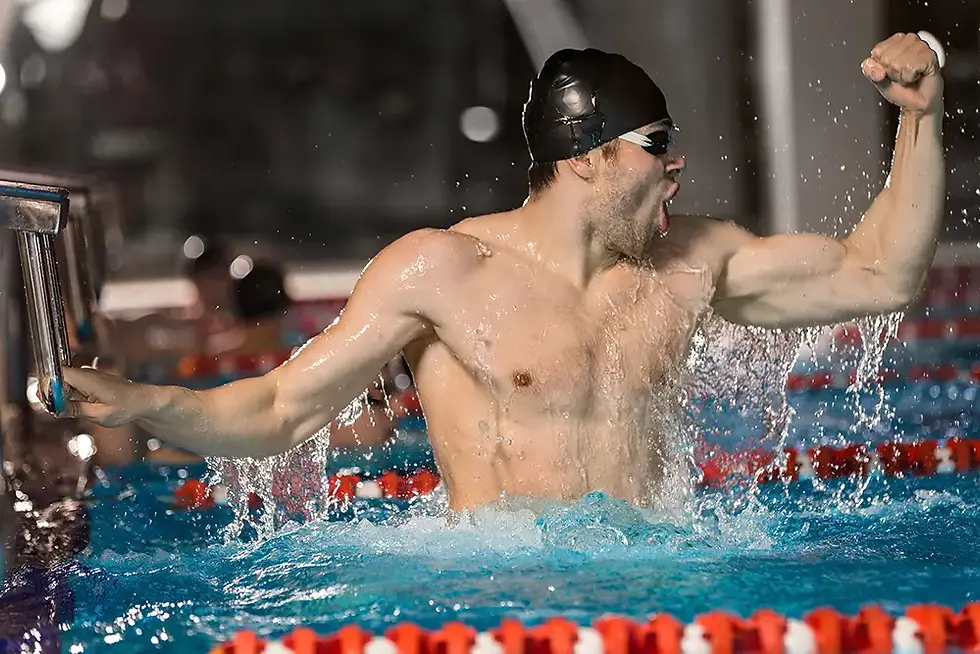
Swimming: A Low-Impact, Full-Body Fat Burner


Swimming is one of the most effective choices for men who want full-body conditioning without subjecting their joints to repeated impact.


Why Swimming Works

Water creates resistance in every direction. Your muscles must work to move your body forward while your cardiovascular system supports continuous effort.


Swimming recruits the shoulders, back, arms, core, hips, and legs. Even moderate swimming can become demanding because efficient breathing and movement must be coordinated.


Conditioning Benefits

Swimming develops cardiovascular endurance while placing relatively little impact on the knees and ankles. This can make it appropriate for men who are overweight, returning to exercise, or managing discomfort from high-impact activities.


Regular swimming can also improve breathing control, muscular endurance, mobility, and overall movement quality. This makes it a strong option alongside the best sports for flexibility for anyone who wants to move more comfortably and maintain better full-body control.


Who Swimming Suits

Swimming is a practical choice for men who find running, basketball, or other high-impact activities uncomfortable. It also works well for people who prefer individual training and a controlled environment.


Because pace and distance can be adjusted easily, swimming can accommodate beginners and experienced athletes.


Practical Tip

Avoid swimming every lap at the same relaxed pace. Once you are comfortable in the water, introduce intervals.


For example, alternate faster laps with slower recovery laps or brief rest periods. This increases the conditioning demand and prevents the session from becoming too comfortable.


How to Choose the Right Sport for Your Goals and Lifestyle


Several sports can help you lose weight, but the right choice depends on more than physical intensity. Your schedule, personality, access, and injury history all influence whether you will remain consistent.


Consider Your Available Time

Team sports may require scheduled practices or games. Boxing classes may follow fixed timetables, while swimming can often be completed independently during pool opening hours.


Choose an activity that fits your real schedule rather than an ideal routine you are unlikely to maintain.


Evaluate Access

Consider whether you have convenient access to the necessary field, court, gym, club, or swimming pool. Travel time and cost can affect consistency more than expected.


An activity located near your home or workplace may produce better long-term results than a supposedly superior option that requires extensive planning.


Account for Your Current Condition

Men with joint discomfort, previous injuries, or a low starting fitness level may need to approach high-impact sports carefully. Swimming and other controlled activities may provide a more manageable starting point.


That does not mean you must avoid demanding sports permanently. You can improve your basic conditioning and gradually introduce more challenging activities as your capacity develops.


Match the Sport to Your Personality

Some men thrive in competitive team environments. Others prefer individual activities in which progress depends entirely on personal effort.


Neither preference is better. The important point is choosing an environment that motivates you rather than one you continually resist.


Consider the Type of Conditioning You Want

Soccer and basketball develop repeated-sprint ability, agility, and game endurance. Boxing and martial arts emphasize explosive effort, coordination, and muscular stamina. Swimming improves full-body endurance with minimal impact.


When stamina is one of your main priorities, choosing sports that help build endurance can make your training routine more athletic and sustainable.


How Often Should You Play Sports for Weight Loss?


There is no universal schedule that works for every person. Your ideal frequency depends on the sport's intensity, your current fitness level, and the physical demands of your other activities.


For many men, two or three sports sessions per week can provide a useful starting point. Beginners may need shorter sessions and more recovery, while experienced athletes may tolerate more frequent participation.


Avoid increasing every variable at once. Adding too many sessions, playing longer games, and raising the intensity simultaneously can create excessive soreness or increase injury risk.


A more sustainable approach is to begin with manageable sessions and gradually increase duration, frequency, or intensity as your conditioning improves.


Weight loss also depends on nutrition and total energy balance. Playing a demanding sport cannot fully compensate for consistently overeating. The strongest results generally come from combining regular activity with appropriate portions, adequate protein, sufficient sleep, and realistic recovery habits.


Conclusion


You do not need to find a perfect sport. You need an activity that keeps you moving consistently and gives you a reason to return.


Soccer offers team competition and repeated running. Boxing and martial arts combine intense conditioning with skill development. Basketball delivers fast-paced movement and social motivation. Swimming provides a low-impact way to train the entire body.


Each sport can support meaningful progress when practiced regularly. The right option is the one that fits your physical condition, schedule, personality, and access to facilities.


Focus on showing up, improving gradually, and staying active. Adding some of the best sports to increase metabolism to your routine can support calorie expenditure, energy use, fat loss, and long-term conditioning.


Related Reading

Comments


 Collaborate with us.

Thanks for submitting!

© 2026 by Nexomen.

bottom of page